
Best Dustbin for a Clinic in Kenya: How to Choose the Right Medical Waste Bin
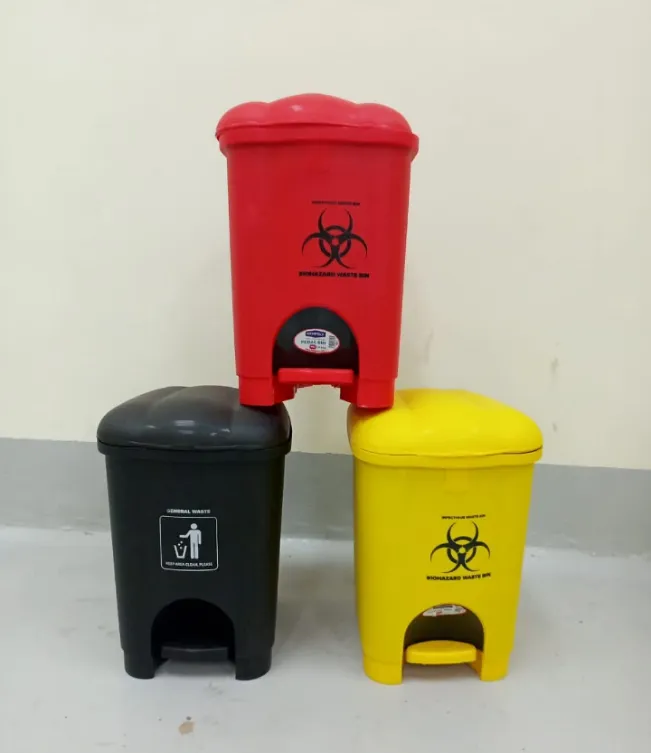
Choosing the best dustbin for a clinic in Kenya is more important than simply finding a container for everyday rubbish. Clinics, medical centres, dental practices, laboratories and other healthcare facilities generate different types of waste, so the right bins should support proper waste segregation, hygiene and safe handling.
A good clinic waste bin should be durable, easy to clean, appropriately sized and suitable for the type of waste being collected. For many clinical areas, a pedal-operated medical waste bin is a practical choice because it allows staff to open the lid without touching it directly.
At Lorenzo Finest, we supply medical waste pedal bins in Kenya in different sizes and colours for healthcare environments. Our range includes options suitable for clinics, hospitals, laboratories and other facilities that need practical waste-management solutions.
What Is the Best Dustbin for a Clinic in Kenya?
The best dustbin for a clinic depends on the type and volume of waste generated in each area.
For many clinical environments, a pedal-operated medical waste bin with a secure lid is an excellent option. The foot pedal allows hands-free opening, while the lid helps contain waste and keeps the bin closed when it is not being used.
However, there is no single bin that should be used for every type of waste. Clinics should establish appropriate waste-segregation procedures and use clearly identified containers for different waste streams.
Kenya’s Environmental Management and Co-ordination (Waste Management) Regulations, 2024 require biomedical waste generators to segregate biomedical waste at the point of generation and at subsequent stages. The regulations also require biomedical waste to be securely packaged in appropriately labeled biohazard containers.
Therefore, when selecting clinic waste bins, consider:
- The type of waste being generated
- The required colour and labeling
- The amount of waste produced
- The location of the bin
- Whether hands-free operation is needed
- Ease of cleaning and emptying
- Durability and stability
- The clinic’s waste-management procedures
Why Do Clinics Need Specialized Medical Waste Bins?
Healthcare facilities can generate infectious, pathological, sharps, pharmaceutical, chemical and general waste.
Because these waste streams can have different handling requirements, simply placing everything into one ordinary household dustbin is not appropriate.
Proper segregation starts where the waste is generated. For example, a treatment room should have suitable waste containers readily available so healthcare workers can dispose of waste into the correct stream.
The 2024 Kenyan regulations state that biomedical waste must be segregated according to the categories specified in the regulations.
For this reason, medical waste bins for clinics should be selected as part of the facility’s overall waste-management system rather than based only on appearance or price.
Why Choose Pedal Bins for a Clinic?
A pedal bin allows the user to open the lid with their foot instead of touching the lid with their hands.
This makes pedal bins particularly practical in busy healthcare environments where staff frequently dispose of waste.
1. Hands-Free Operation
The foot pedal allows users to open the bin without directly touching the lid.
2. Hygienic Design
Reducing direct contact with the bin can make routine waste disposal more convenient and support good hygiene practices.
3. Covered Waste
A fitted lid keeps the container closed between uses and helps keep the waste contained.
4. Easy Daily Operation
Healthcare workers can operate a pedal bin quickly while continuing their normal workflow.
5. Suitable for Different Clinic Areas
Depending on the capacity, pedal bins can be placed in consulting rooms, treatment rooms, laboratories, dental clinics and other healthcare areas.
What Should You Look for When Buying Clinic Waste Bins?
Before buying a medical waste bin, consider several important features.
Foot Pedal
A strong foot pedal makes hands-free operation easier and avoids unnecessary contact with the lid.
Secure Lid
A properly fitted lid helps keep waste contained when the bin is not being used.
Durable Construction
Clinics need bins that can withstand frequent daily use. Strong plastic construction can be practical because it is lightweight, durable and relatively easy to clean.
Easy-to-Clean Surface
Smooth surfaces make routine cleaning and sanitation easier.
Stable Base
A stable base helps reduce the possibility of the bin tipping during normal use.
Appropriate Capacity
The correct size depends on the amount of waste generated and the location of the bin.
Correct Colour and Identification
Colour and labeling are important parts of waste segregation. Clinics should follow the applicable Kenyan requirements and their approved waste-management procedures.
What Size Dustbin Is Best for a Clinic?
There is no universal clinic bin size because different rooms generate different amounts of waste.
A small consulting room may need a smaller container, while a busy treatment room may require a larger capacity.
As a practical starting point:
| Clinic Area | Capacity to Consider |
|---|---|
| Consulting room | 10L–20L |
| Examination room | 18L–30L |
| Treatment room | 30L–50L |
| Laboratory | Based on waste volume and segregation requirements |
| High-volume clinical area | 30L–50L or larger where appropriate |
These are practical purchasing considerations rather than regulatory capacity requirements. The clinic should choose capacity based on its actual waste generation, collection frequency and waste-management procedures.
Yellow Biohazard Bins for Clinics
Yellow is an important colour in biomedical waste management.
Kenya’s previous biomedical-waste colour coding identified infectious and pathological waste with yellow containers or bags bearing the biohazard symbol. Current 2024 regulations require biomedical waste to be segregated according to the categories in the Seventh Schedule and securely packaged in biohazard containers with the required labeling.
Clinics should therefore use the colour and labeling system required for the particular waste stream and follow their facility’s approved waste-management procedures.
A yellow biohazard pedal bin can be particularly useful where the facility requires a clearly identified container for an applicable biomedical waste stream.
Best Medical Waste Pedal Bins from Lorenzo Finest
Lorenzo Finest provides several dustbin options for healthcare and commercial environments.
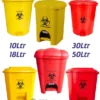
18L Yellow Biohazard Pedal Bin Kenya
The 18L Yellow Biohazard Pedal Bin is designed for hospitals, clinics, laboratories and other healthcare facilities.
It features:
- Foot-pedal operation
- Removable inner container
- Tight-fitting lid
- Durable plastic construction
- Stable base
- Smooth, easy-to-clean surface
- Yellow biohazard identification
The removable inner container makes emptying, liner replacement and cleaning more convenient. The 18L capacity also provides a useful middle-ground option for clinical areas that need more capacity than a small bin without moving to a much larger container.
[Shop the 18L Yellow Biohazard Pedal Bin from Lorenzo Finest]
10L Yellow Biohazard Pedal Bin
For smaller areas where waste generation is relatively low, a 10L yellow biohazard pedal bin can provide a more compact solution.
It can be considered for areas such as consulting rooms and other locations where a smaller capacity is appropriate.
30L and 50L Medical Waste Bins
Busier clinical areas may generate more waste and therefore require larger containers.
A 30L or 50L medical waste pedal bin can be considered where the clinic’s waste volume and collection schedule justify the additional capacity.
The important point is to choose the capacity according to the actual waste generated rather than automatically choosing the largest bin.
Where Should Clinic Waste Bins Be Placed?
The location of a waste bin is almost as important as the bin itself.
Bins should be positioned where healthcare workers can easily dispose of waste at the point where it is generated.
Depending on the clinic, suitable locations may include:
- Consulting rooms
- Examination rooms
- Treatment rooms
- Nursing stations
- Laboratories
- Dental treatment rooms
- Procedure areas
- Other designated clinical areas
Avoid placing an appropriate waste bin so far away that staff have to carry waste across the room before disposal.
Common Mistakes When Choosing Clinic Waste Bins
Using One Bin for Everything
Different waste streams may require different containers. Clinics should maintain proper segregation rather than mixing waste.
Choosing the Wrong Capacity
A very small bin can fill quickly, while an unnecessarily large bin can take up valuable space.
Ignoring the Lid
An open container may not provide the same level of containment as a suitable lidded bin.
Choosing a Bin Based Only on Price
The cheapest option may not provide the durability, capacity or features required for frequent clinical use.
Forgetting About Cleaning
Choose a design that makes routine cleaning and emptying practical.
Ignoring Colour and Labeling
Correct identification helps staff recognize the intended waste stream and supports proper segregation.
How to Choose the Right Medical Waste Bin for Your Clinic
Before placing an order, ask these questions:
1. What type of waste will the bin collect?
Identify the waste stream before choosing the container.
2. How much waste does the room generate?
This helps determine whether 10L, 18L, 30L, 50L or another capacity is appropriate.
3. Does the area require hands-free operation?
If yes, consider a pedal-operated bin.
4. Does the bin need a removable inner container?
A removable container can make emptying and cleaning easier.
5. What colour and labeling are required?
Follow the applicable regulations and your facility’s waste-management procedures.
6. How frequently will the bin be emptied?
The collection schedule should also influence the capacity you choose.
Why Buy Medical Waste Bins from Lorenzo Finest?
Lorenzo Finest supplies dustbins and everyday products for homes, offices, businesses and clinics in Kenya.
Our online store currently features medical waste pedal bins alongside other dustbin categories, including pedal bins, swing-lid waste bins and drum bins.
We also provide delivery options across Kenya and support customers looking for practical waste-management products.
If you are purchasing several bins for a clinic, you can select different capacities according to the requirements of individual rooms rather than using one size throughout the facility.
Frequently Asked Questions About Clinic Waste Bins
What is the best dustbin for a clinic in Kenya?
For many clinical areas, a suitable pedal-operated medical waste bin with a secure lid is a practical choice. However, the correct bin depends on the type of waste, required colour coding, capacity and the clinic’s waste-management procedures.
Are pedal bins suitable for clinics?
Yes. Pedal bins are practical for many clinic areas because they allow hands-free opening and can help reduce direct contact with the lid.
What size dustbin is best for a clinic examination room?
The appropriate size depends on the amount of waste generated. Smaller rooms may need 10L–20L, while busier treatment areas may require 30L or 50L capacity.
What is a biohazard pedal bin?
A biohazard pedal bin is a lidded waste container designed for hands-free operation and intended for an applicable biomedical or biohazard waste stream. It should be used according to the facility’s waste-segregation procedures.
Why are medical waste bins colour coded?
Colour coding helps identify different waste streams and supports segregation. Kenya’s waste-management regulations require segregated waste to be placed in clearly labeled and colour-coded receptacles, while biomedical waste must be segregated according to its specified categories.
Where can I buy medical waste bins in Kenya?
You can buy medical waste pedal bins from Lorenzo Finest. The store offers medical waste bins in different sizes and colours for clinics, hospitals, laboratories and other facilities.
Should a clinic use ordinary household dustbins for medical waste?
A clinic should not assume that an ordinary household dustbin is suitable for biomedical waste. Biomedical waste requires appropriate segregation, packaging, labeling and handling according to applicable requirements.
How do I choose between a 10L, 18L, 30L and 50L medical waste bin?
Consider the waste generated in the room, available space and how frequently the bin will be emptied. Smaller capacities can suit low-volume areas, while larger capacities may be more practical for busy treatment areas.
Conclusion: Choosing the Best Dustbin for a Clinic in Kenya
The best dustbin for a clinic in Kenya is not necessarily the biggest or cheapest option. The right choice depends on the type of waste, required segregation system, room size, waste volume and how frequently the container will be emptied.
For many clinical areas, a pedal-operated medical waste bin with a secure lid provides a practical hands-free solution. Choosing the correct capacity, colour, labeling and construction can also make daily waste management easier.
If you are looking for medical waste bins in Kenya, Lorenzo Finest offers practical options for clinics, hospitals, laboratories and other healthcare facilities.
Shop medical waste pedal bins from Lorenzo Finest and choose a suitable waste bin for your clinic today.
Widget Banner

Posts Widget
-
1

-
2
-
3
-
4


Quality dust bins, kitchenware, signage, storage and everyday essentials for Nairobi homes, offices and clinics. Pay with M-Pesa, Visa or cash.
Copyright 2026 © Lorenzo Finest
